Depression Treatment Without Medication
Therapy Options
Evidence-Based Therapy Choices That Can Help You Heal
Depression can affect every part of life—from motivation and energy levels to relationships, work performance, and overall well-being. While medication is a helpful option for some, many people prefer to explore non-medication treatments that provide relief while addressing the root causes of depression. Therapy offers an effective path forward by helping clients uncover patterns of thought and behavior that contribute to low mood, while also building coping skills and emotional resilience.
At Minisink Psychology, we understand that healing looks different for everyone, which is why we provide personalized, evidence-based counseling tailored to your unique experiences and goals. Our therapists use approaches like CBT, DBT, ART, and Behavioral Activation to help you manage symptoms, re-engage with what matters most, and create lasting change—all without relying solely on medication.

Therapy Options We Provide
At Minisink Psychology, we tailor treatment to each person’s needs, drawing on several proven therapeutic approaches:
- Cognitive Behavioral Therapy (CBT): Helps clients identify and reframe negative thought patterns, while building practical skills to improve mood and daily functioning.
- Dialectical Behavior Therapy (DBT): Focuses on emotional regulation, mindfulness, and interpersonal effectiveness to help manage intense feelings and improve relationships.
- Accelerated Resolution Therapy (ART): A trauma-informed approach that can help reduce the emotional intensity of painful memories linked to depression.
- Behavioral Activation (BA): Encourages re-engagement with meaningful activities, helping clients break cycles of withdrawal and inactivity.
How Therapy Helps with Depression
Talk therapy provides practical skills and emotional support that make a real difference in daily life. By exploring patterns of thought, behavior, and relationships, therapy creates space for growth and healing. Research shows that psychotherapy is effective for many people with mild to moderate depression, and it can also play an important role in managing more severe symptoms.
Some benefits of therapy include:
Gaining tools to challenge negative thoughts and beliefs
Building healthier coping strategies for stress and sadness
Improving communication and relationships with others
Developing a stronger sense of self-worth and resilience
Learning to recognize and shift patterns that keep depression in place
Serving Clients Across Bergen County, NJ and Beyond
We work with adults, teens, and families — in person and online. Whether you live in Ridgewood, Hackensack, Teaneck, Paramus, or nearby, our practice is here to help you take that first step.
When Medication Is Also Worth Considering
Therapy is highly effective for many people, but in some cases medication may be recommended—such as when depression is severe, when there is significant risk of self-harm, or when symptoms do not respond to psychotherapy alone. Our clinicians will always discuss risks, benefits, and client preferences, and we collaborate with psychiatrists or primary care providers when medication management is appropriate.

Lasting Improvements in Anxiety, Depression, Moods, and Functioning
Work with your brain’s natural ability to heal and adapt
Neuroplasticity is your brain’s ability to form new connections, break old patterns, and adapt over time. Whether you’re dealing with anxiety, depression, trauma, constant worries, anger, or emotion dysregulation, neuroplasticity is the engine behind lasting change.
Regulate thoughts and emotions
Modify our thoughts to be more in line with reality
Rewire emotional responses to memories
At Minisink Psychology & Psychotherapy, we provide professional and empathic evidence-based psychotherapy to help you navigate life’s challenges and strengthen your inner resilience.
Meet Our Therapists
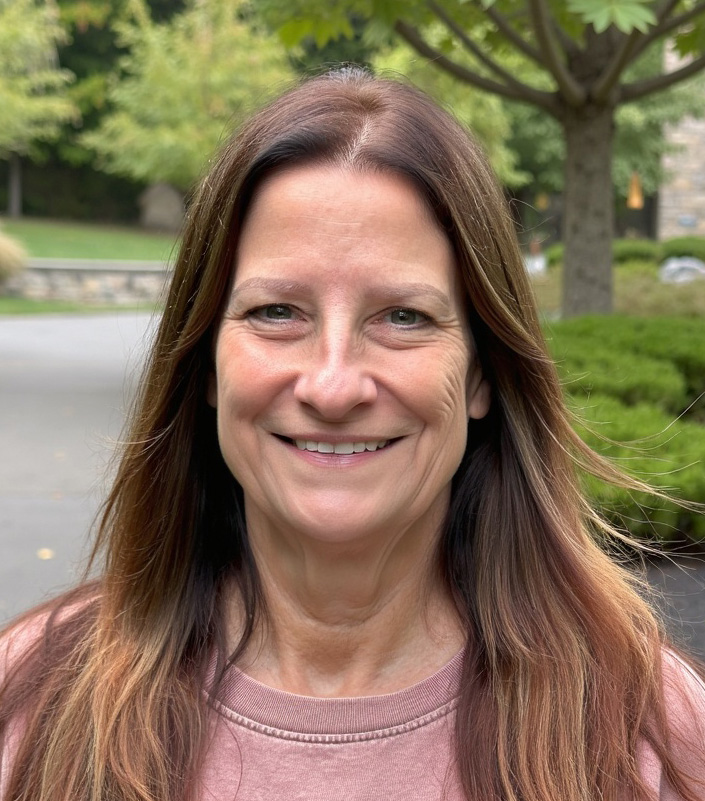
Suzannah Espinosa, PhD